Compare Local Contractors for Small Animal Removal Services
Compare local contractors for small animal removal to define scope, verify experience, and set clear expectations for a successful property solution.
Small animal removal services typically cover the identification, exclusion, and removal of pests such as raccoons, squirrels, bats, and other wildlife that may invade residential or commercial properties. These contractors often handle tasks including inspecting the property for entry points, safely trapping or deterring animals, and sealing openings to prevent future intrusions. Properly addressing these issues can help protect the structure and prevent potential damage or health concerns associated with wildlife presence.
Defining the scope of work is an important step when working with contractors for small animal removal. Clear communication about what needs to be addressed-whether it’s a one-time removal, ongoing prevention measures, or both-can help ensure that expectations are aligned. Documenting the specific services to be performed, the areas involved, and any particular considerations can help avoid misunderstandings and make it easier to evaluate proposals from different service providers.
Property owners seeking to compare local contractors should consider their experience with similar wildlife issues, the methods they employ, and their approach to defining and documenting the scope of work. Reviewing credentials, asking for detailed descriptions of services, and requesting written agreements can facilitate a more informed decision. By focusing on these practical aspects, property owners can connect with service providers who are well-equipped to handle their specific needs and ensure the work is clearly understood before it begins.
Compare local contractors by outlining your priorities, verifying experience, and setting clear expectations in writing.
- Verify Experience and Expertise - Ensure service providers have relevant experience in small animal removal specific to the property type.
- Define Scope Clearly - Clearly outline the removal process and responsibilities to set proper expectations.
- Compare Multiple Contractors - Review qualifications and service offerings to find the best match for the project needs.
- Document Agreements in Writing - Confirm scope, procedures, and expectations are detailed in written agreements before work begins.
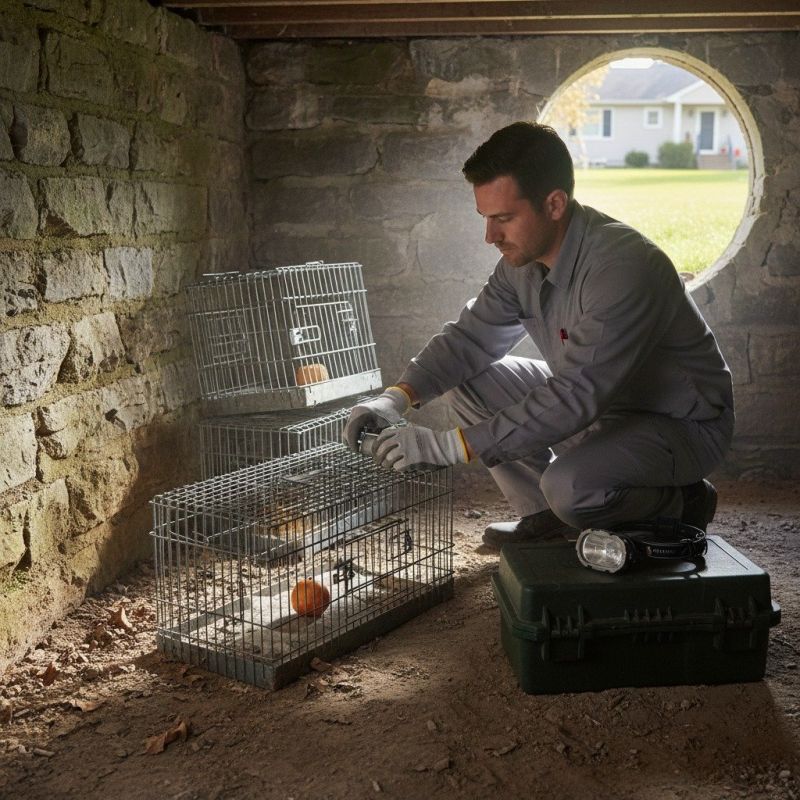
Clearly describe your small animal removal project to compare service providers, verify experience, and set expectations in writing.
- Identify the types of small animals the contractor specializes in removing. Ensure the service provider has experience handling the specific species involved.
- Verify that the scope of work includes inspection, removal, and property restoration if needed. Clarify what procedures are used for humane and effective removal methods.
- Check if the contractor provides a written plan outlining the removal process and any necessary repairs. Clear documentation helps set expectations and avoid misunderstandings.
- Assess the contractor’s approach to preventing future infestations through exclusion techniques. Proper sealing and prevention measures are essential components of effective removal.
- Confirm that the service provider conducts a thorough inspection to locate entry points and nesting areas. Proper identification of problem areas is crucial for a complete solution.
- Ensure the contractor discusses cleanup procedures and disposal methods for removed animals and debris. Proper cleanup maintains property hygiene and safety after removal.
Compare local contractors' experience and clarify project scope to ensure effective small animal removal.
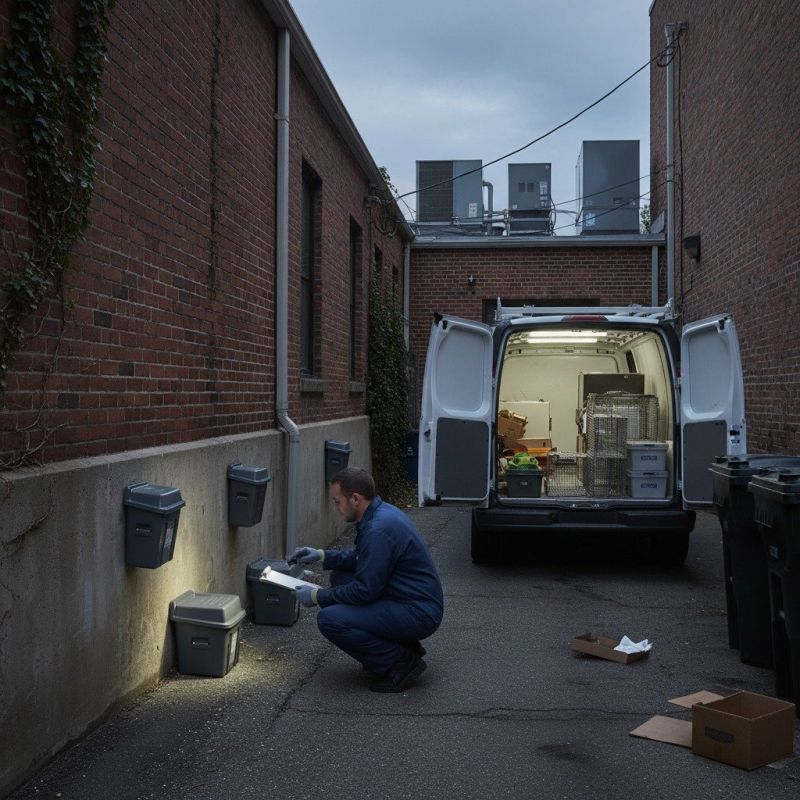
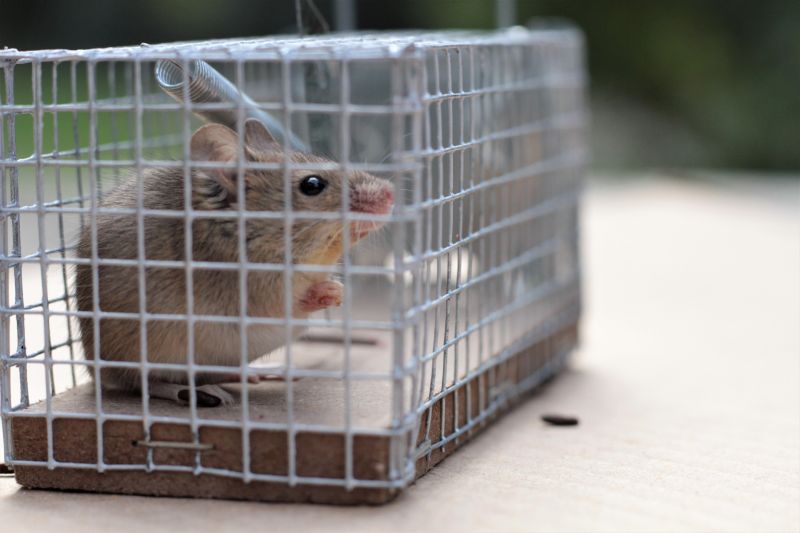
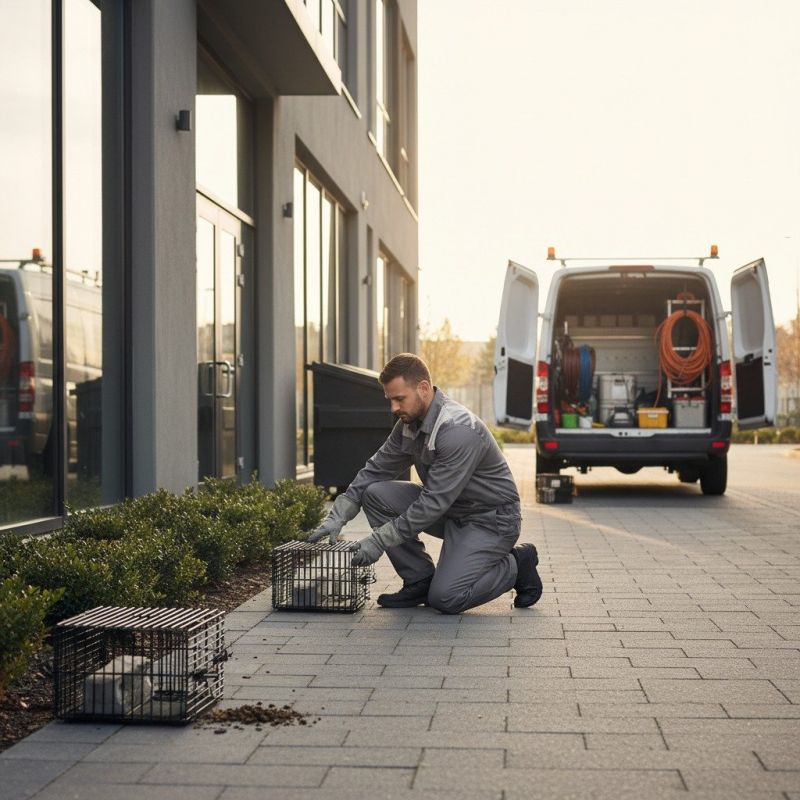
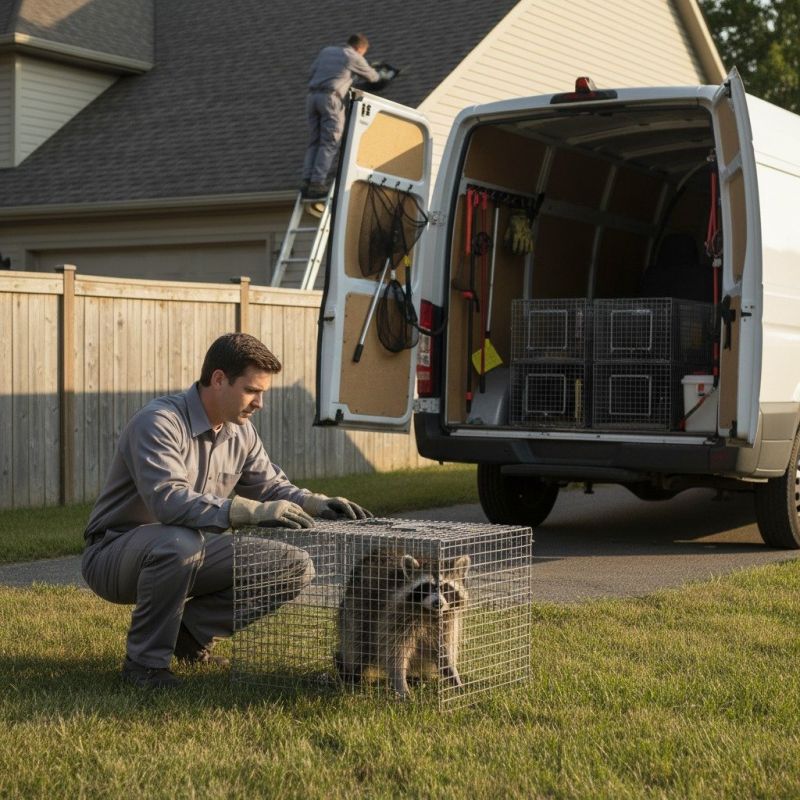
This scope builder helps compare local contractors for small animal removal by defining work details, verifying experience, and setting clear expectations.
- Scope Definition - Clearly outline the specific types of small animals to be removed and the areas affected.
- Experience Verification - Confirm that service providers have relevant experience handling small animal removal safely and effectively.
- Method Description - Describe the techniques and tools the contractors will use to perform the removal and exclusion process.
- Exclusion and Prevention - Specify the measures to be taken to prevent future animal entry and re-infestation.
- Written Agreement - Ensure all project details, responsibilities, and expectations are documented in a formal agreement.
When evaluating contractors for small animal removal, it is important to consider their experience with similar projects. Inquire about the types of animals they have handled and the environments in which they have worked. Contractors with a history of successfully managing comparable situations are more likely to understand the specific challenges involved and employ effective removal techniques. Gathering details about their past work can help ensure that the service provider has relevant experience tailored to the particular needs of the property.
A clear, written scope of work is essential for establishing mutual understanding and setting expectations. The scope should outline what the removal process includes, such as inspection, humane trapping, exclusion methods, and any follow-up work. Having these details documented helps prevent misunderstandings and provides a reference point throughout the project. Service providers who can present a comprehensive, written outline demonstrate professionalism and a structured approach to small animal removal.
Verification basics involve confirming that the contractor has a solid track record and proper knowledge of local wildlife behaviors. It’s advisable to ask for references or examples of previous projects, and to verify that the contractor understands local regulations and humane practices. While licensing and certification are not the focus here, ensuring that the provider adheres to recognized industry standards and has positive feedback can offer additional confidence in their reliability and expertise.
When comparing options, focus on how each service provider plans to approach the project and the clarity of their communication. Evaluate whether they provide detailed descriptions of their methods, timelines, and responsibilities in writing. Consider their responsiveness to questions and the thoroughness of their proposals. By emphasizing the scope of work, experience, and communication clarity, homeowners can make informed decisions that align with their specific needs for small animal removal, without relying on price as the primary factor.
Ask service providers to provide written scope details to ensure clear expectations and consistent project understanding.
- Experience and Specialization - What experience do local contractors have with small animal removal projects similar to this one?
- Scope of Services - How do contractors define the scope of work, including removal, exclusion, and prevention measures?
- Methods and Techniques - What methods do service providers use to ensure humane and effective animal removal?
- Warranty and Follow-up - Do contractors offer any written guarantees or follow-up services to prevent future issues?
- Scope Clarity and Expectations - How do local contractors clarify project scope and set expectations in writing before beginning work?
How can I compare small animal removal contractors? To compare local service providers, review their experience, scope of services, and customer feedback, ensuring they meet your specific needs for animal removal.
What should I consider when defining the scope of work? Clearly outline which animals need to be removed, any exclusion zones, and post-removal cleanup or prevention measures to set accurate expectations with contractors.
How do I verify a contractor’s experience with small animal removal? Ask about their previous projects, the types of animals they have handled, and their familiarity with local wildlife to ensure they have relevant experience.
Why is it important to get written agreements with contractors? Written agreements help specify the scope, responsibilities, and expectations, reducing misunderstandings and providing a clear reference for the work to be performed.
What questions should I ask a local contractor before hiring? Inquire about their methods, the types of animals they handle, and how they ensure humane removal, to assess their suitability for your situation.
How can I ensure the contractor understands my specific needs? Provide detailed descriptions of the problem, clarify any concerns, and confirm that the scope of work aligns with your expectations before proceeding.
This page has highlighted the importance of clearly defining the scope of small animal removal projects, verifying the experience of service providers, and setting expectations in writing. By understanding these key aspects, homeowners can better compare local contractors and select the professionals best suited to handle their needs. Utilizing the quote form allows for straightforward comparisons among nearby service providers, helping to identify options that align with individual requirements.
Taking the time to review qualifications, clarify project details, and communicate expectations in writing can make the process of choosing a contractor more manageable. The quote form offers an easy way to connect with local service providers, enabling comparisons that support informed decisions. Exploring your options through this tool can help ensure the chosen contractor is well-equipped to address small animal removal needs effectively.