Seasonal Wildlife Issues Homeowners Should Watch For
Homeowners dealing with seasonal wildlife issues should seek help from local contractors who can safely remove animals and prevent future infestations.
Homeowners in the area who are attentive to seasonal wildlife issues should find this page helpful. As animals change behaviors throughout the year, certain issues like nesting, burrowing, or seeking shelter can pose risks to property integrity and comfort. Recognizing the signs of wildlife activity early can prevent more significant problems down the line, making it worthwhile to explore the types of issues that tend to arise during different seasons. Local contractors experienced in seasonal wildlife removal can provide tailored solutions to address these concerns, helping maintain a safe and secure home environment.
Understanding what to watch for during each season empowers property owners to take proactive steps before minor issues escalate. Whether it's managing bird nests before they become a blockage or preventing raccoons from rummaging through attics, knowing the seasonal patterns of local wildlife can make a difference. Service providers in the area are equipped to handle these challenges efficiently, offering services designed to resolve seasonal wildlife issues effectively. Keep reading to learn more about common concerns and how local experts can assist in keeping homes safe and wildlife-free year-round.
- Bird nesting season - homeowners may notice increased bird activity and nesting in eaves or vents, with local contractors providing removal and exclusion services to prevent future issues.
- Spring rodent activity - as temperatures rise, rodents seek shelter indoors, prompting local service providers to identify entry points and implement exclusion measures.
- Fall raccoon and squirrel concerns - during autumn, raccoons and squirrels may attempt to access attics or chimneys, with local pros offering humane removal and sealing solutions.
- Winter wildlife intrusion - colder months can drive wildlife like mice and bats indoors, with local contractors performing inspections and exclusion work to keep homes protected.
- Seasonal wildlife migration - changing seasons trigger migration patterns, leading to increased wildlife presence around homes, with local service providers helping to manage and prevent infestations.
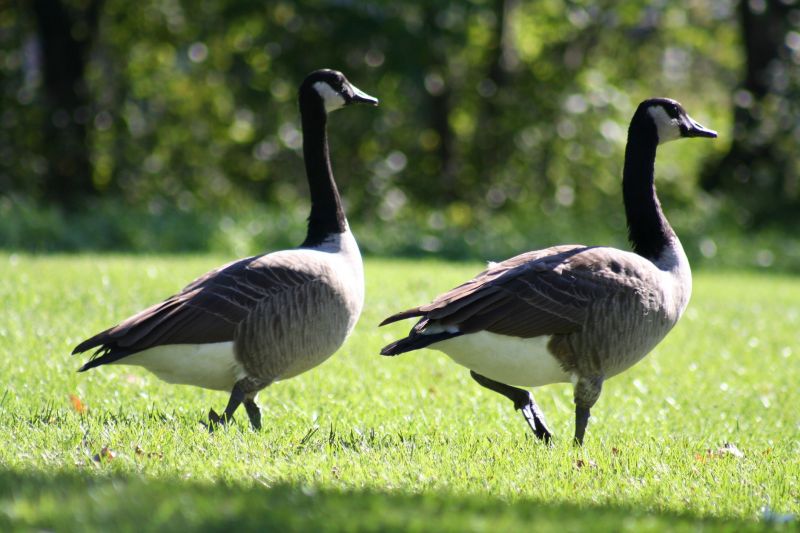
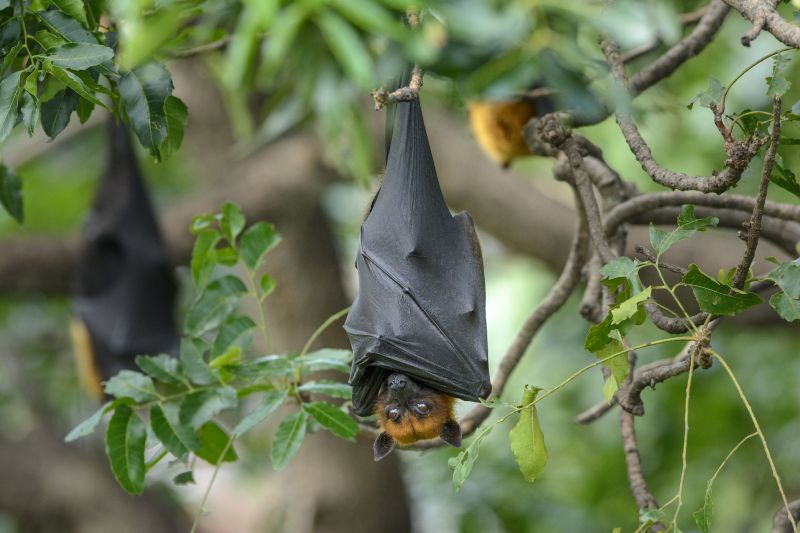
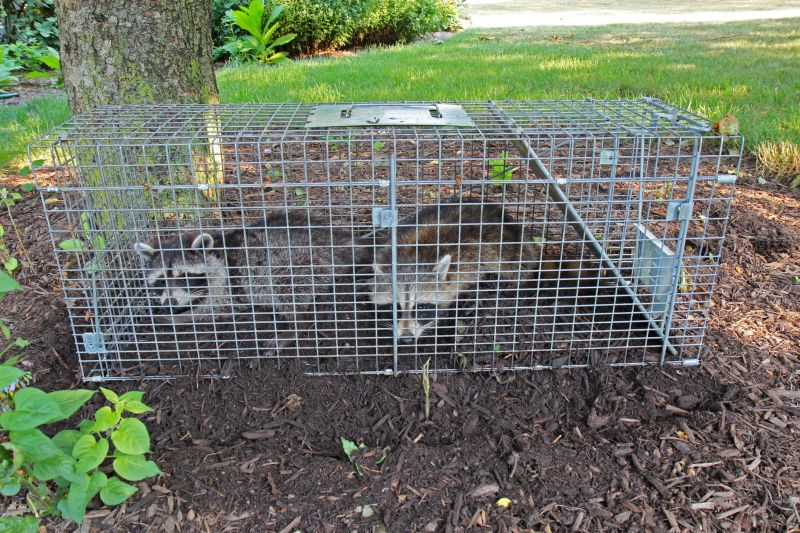
Seasonal wildlife issues homeowners should watch for often relate to the natural patterns and behaviors of local animals as they respond to changing weather and seasons. During spring and early summer, for example, many species become more active in nesting and breeding, which can lead to increased sightings of birds, squirrels, and raccoons around the property. In fall, animals such as bats and rodents tend to seek shelter in homes to prepare for the colder months, potentially leading to infestations or entry points that need sealing. Recognizing these seasonal behaviors helps homeowners anticipate when certain wildlife problems are most likely to occur, making it easier to plan proactive measures with the help of local contractors experienced in wildlife removal.
The problems associated with seasonal wildlife issues often involve property damage, health concerns, and disruptions to daily life. For instance, nesting birds or squirrels in attic spaces can cause structural damage or block vents, while bats roosting in eaves pose health risks due to droppings and potential disease transmission. Rodents seeking warmth inside walls can chew through electrical wiring, creating fire hazards. Homeowners planning repairs or pest control strategies should consider these seasonal risks and the importance of timely intervention. Local service providers specializing in wildlife removal can assess the property, identify entry points, and implement solutions tailored to the specific seasonal challenges faced in the area.
Properties that typically come up in discussions of seasonal wildlife issues include single-family homes, cottages, and historic or older buildings. These structures often have features such as attics, vents, and gaps in siding that can serve as entry points for animals seeking shelter. Rural properties near wooded areas or water sources are particularly vulnerable, as they attract wildlife that may seek refuge or nesting sites nearby. Even well-maintained urban homes are not immune, especially if they have mature trees close to the house or insufficient sealing around windows and doors. Engaging with local contractors who understand the unique challenges of these property types can help homeowners develop effective strategies to prevent wildlife from becoming a seasonal problem.
Understanding how seasonal wildlife issues connect to real projects involves recognizing the importance of timely inspections, sealing entry points, and implementing exclusion methods before animals establish nests or colonies. Homeowners often seek assistance when they notice signs of wildlife activity, such as droppings, noises, or damage. Local pros can perform thorough assessments during peak seasons when problems are most likely to arise, providing solutions that include humane removal and exclusion techniques. Connecting with experienced wildlife removal service providers ensures that these seasonal challenges are addressed efficiently, reducing the risk of ongoing issues and protecting the property’s integrity throughout the year.
Bird Control Projects - These involve installing deterrents and barriers to prevent birds from nesting or roosting, which is often necessary during certain seasons when bird activity increases around homes.
Attic Insulation and Ventilation - Proper insulation and ventilation help prevent wildlife from nesting in attics, a common issue during seasonal wildlife activity spikes.
Gutter and Roof Maintenance - Clearing and repairing gutters and roofs can reduce attractants for animals seeking shelter or nesting sites during seasonal changes.
Exclusion and Barrier Installation - Local contractors can install physical barriers to block access points that wildlife might use during specific seasons when they are most active.
Tree and Shrub Trimming Services - Trimming back overgrown branches and shrubs can eliminate potential nesting sites for wildlife during peak seasons.
Wildlife Habitat Modification - These projects involve modifying outdoor spaces to make them less appealing to wildlife during certain times of the year, helping prevent infestations.
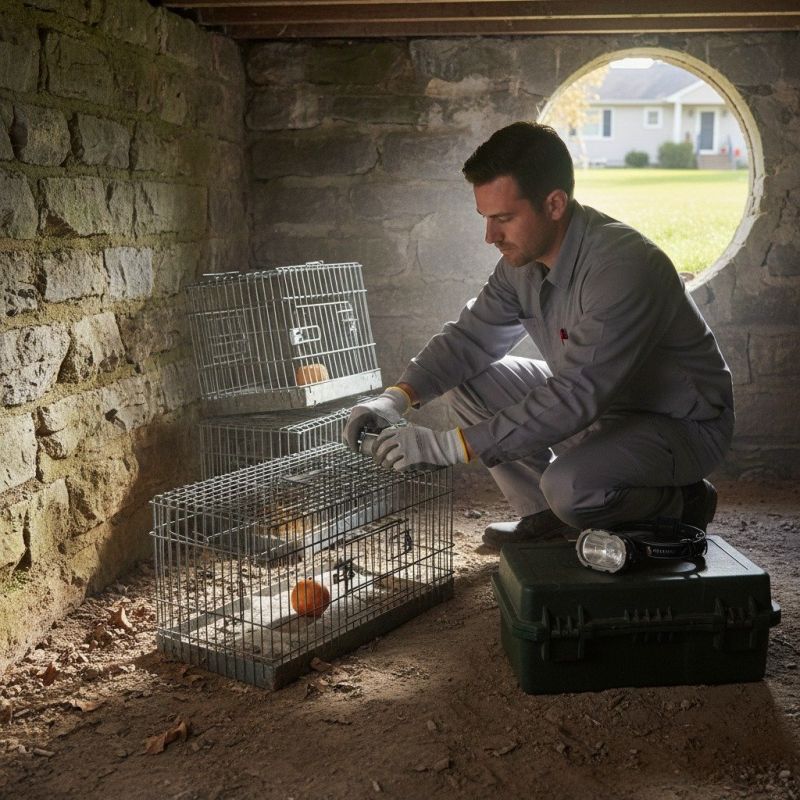
When comparing local contractors for seasonal wildlife removal, it is important to consider their experience with similar projects. Homeowners should look for service providers who have a proven track record of handling wildlife issues specific to the seasonal challenges in their area. An experienced contractor will understand the behaviors of local wildlife and be familiar with the most effective removal techniques, which can help ensure the problem is addressed efficiently and thoroughly.
Clear written expectations are essential when selecting a wildlife removal service. Homeowners should seek providers who are willing to outline the scope of work, the methods they will use, and any follow-up procedures in a detailed written estimate or agreement. This transparency helps prevent misunderstandings and ensures that both parties agree on what the project entails, making it easier to evaluate whether the service provider’s approach aligns with the homeowner’s needs.
Reputable references and good communication are also key factors to consider. Service providers who can provide references from previous clients demonstrate their reliability and quality of work. Additionally, effective communication throughout the process allows homeowners to ask questions, express concerns, and stay informed about the progress of the wildlife removal. These qualities help foster confidence that the contractor will manage the seasonal wildlife issues professionally and responsibly.
Property owners often search for seasonal wildlife issues homeowners should watch for when they are planning practical projects around their homes and businesses. Local pros provide Seasonal Wildlife Removal services for everyday jobs and straightforward project options.
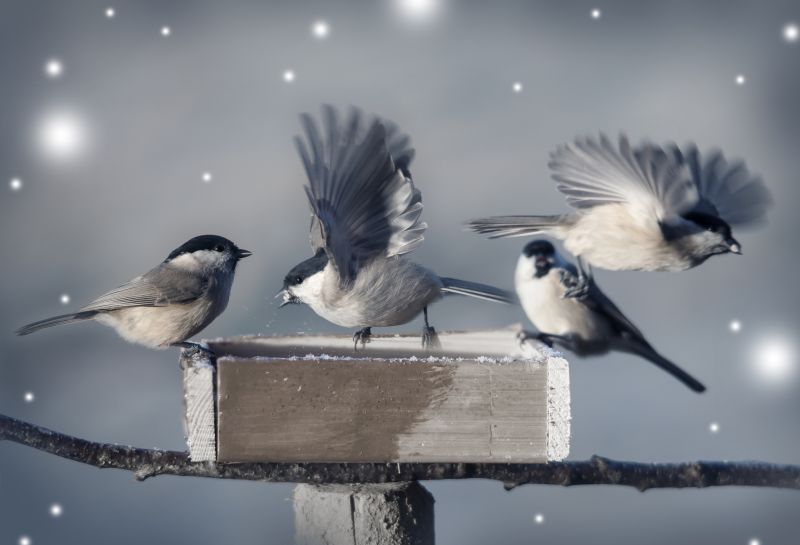
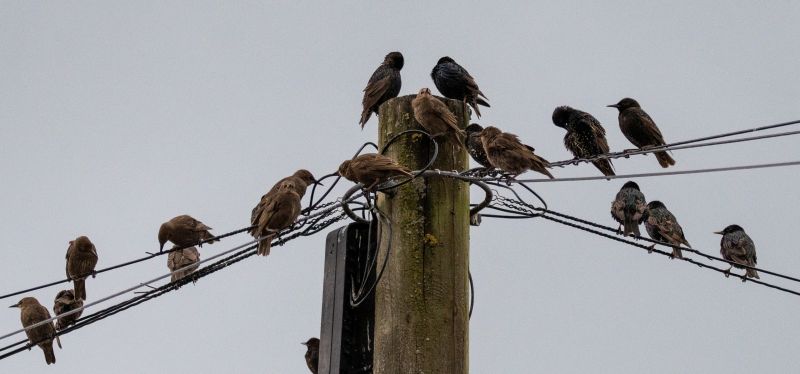
During certain times of the year, homeowners might notice signs of seasonal wildlife issues that can affect their property. For example, animals such as squirrels, raccoons, or birds may seek shelter in attics, chimneys, or vents as the weather changes, leading to potential damage or safety concerns. Recognizing these signs early can help prevent larger problems, making it worthwhile to explore services offered by local contractors who specialize in wildlife removal and exclusion.
Property owners often look up this topic when they observe unusual noises, pests entering through small openings, or animal droppings around their home. Seasonal wildlife issues tend to increase during specific times of the year, prompting homeowners to seek professional help to safely and effectively address the problem. Local service providers can assist with humane wildlife removal and securing entry points, helping to protect the home from future invasions and property damage.
What are common signs of seasonal wildlife issues homeowners should watch for? Homeowners should look for signs such as droppings, chewed wiring or insulation, nests in vents or attics, and unusual noises in walls or ceilings, which may indicate wildlife presence.
Which types of wildlife are most active during specific seasons? Different animals are active during various seasons; for example, raccoons and squirrels are common in fall and winter, while birds and bats often become more noticeable in spring and summer.
How can seasonal wildlife issues impact a home’s structure? Wildlife can cause damage by gnawing on wood, wiring, or insulation, leading to potential fire hazards, water leaks, or structural weakening if not addressed promptly.
When should homeowners consider professional wildlife removal services? If signs of wildlife are detected or if animals are found inside the home, it’s advisable to contact local contractors who specialize in seasonal wildlife removal to handle the situation safely and effectively.
What preventative measures can homeowners take during different seasons? Homeowners can seal entry points, remove attractants like food or debris, and maintain vents and chimneys to prevent wildlife from entering or nesting during various seasons, with assistance from local service providers if needed.
Inspect Attics and Vents - Regularly check attic spaces and vents for signs of wildlife intrusion, and consider scheduling professional inspections to prevent nesting.
Seal Entry Points - Identify and seal gaps or openings around the foundation and roof to prevent animals from entering homes during seasonal wildlife activity.
Remove Food Sources - Clear away bird feeders, compost, and pet food from yards to reduce attracting wildlife during peak seasons.
Set Up Deterrents - Use humane deterrents or barriers recommended by local contractors to discourage wildlife from settling in and causing damage.
If you are thinking about seasonal wildlife issues homeowners should watch for for a property, this guide is meant to help you understand this topic, the typical project types, and how different options might fit your plans.
When you are ready, you can use the quote form on this page to share a few details about your project. From there, local pros can review the basics and follow up with options that match what you have in mind.