Why Commercial Small Animal Control Requires Professional Expertise
People seeking commercial small animal control typically want safe, effective removal of pests, and local service providers have the expertise to handle these complex situations professionally.
Understanding why commercial small animal control requires professional expertise is essential for property owners facing these challenges. Small animals such as rodents, raccoons, or squirrels can cause significant damage to buildings, electrical systems, and stored goods, leading to costly repairs and disruptions. Navigating the complexities of effective removal and ongoing prevention often involves specialized techniques and knowledge that only experienced service providers possess. Property owners in the area who want to ensure their facilities are protected and compliant with local regulations will find that working with local contractors skilled in commercial small animal control offers practical solutions tailored to their needs.
Keeping this topic in mind can help property owners make informed decisions about how to handle small animal issues efficiently and safely. Professional service providers bring the necessary expertise to assess the situation accurately, implement humane removal methods, and prevent future infestations. Whether managing a retail space, warehouse, or office building, engaging experienced local contractors ensures the job is done correctly and minimizes the risk of recurring problems. As you explore options for small animal control, understanding the importance of professional involvement can guide you toward effective, long-lasting results for your commercial property.
- Commercial Small Animal Control - businesses experiencing persistent rodent or pest issues benefit from the expertise of local contractors who understand the complexities of commercial environments.
- Commercial Small Animal Control - property managers managing large facilities seek professional services to ensure effective and humane removal of small animals.
- Commercial Small Animal Control - food processing plants or storage facilities require specialized approaches by local providers to meet health and safety standards.
- Commercial Small Animal Control - retail centers facing ongoing pest problems rely on experienced service providers to implement integrated control strategies.
- Commercial Small Animal Control - industrial sites with structural vulnerabilities need local experts to assess and address potential entry points for small animals.
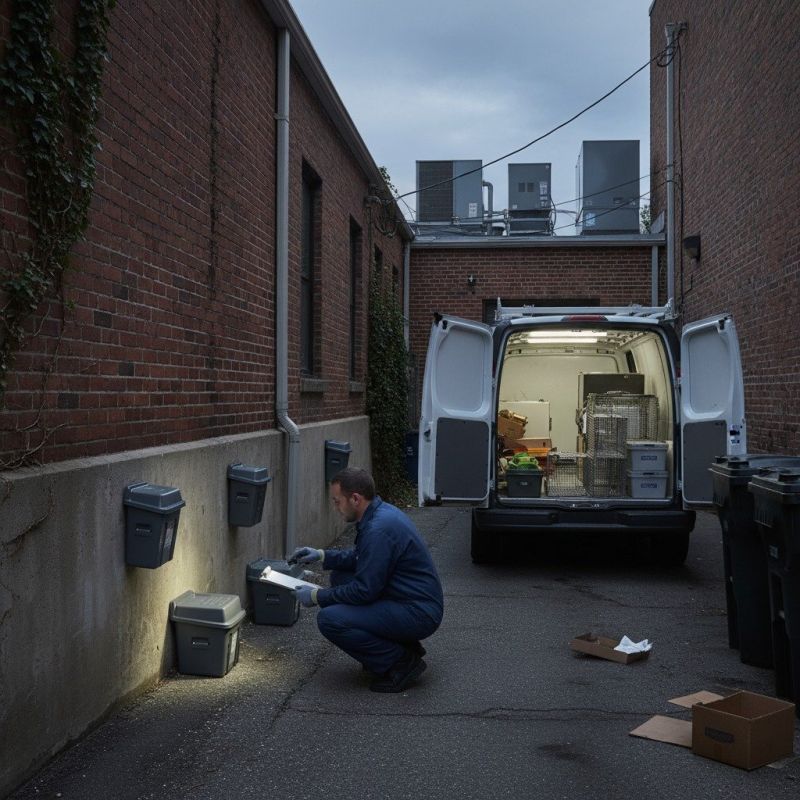
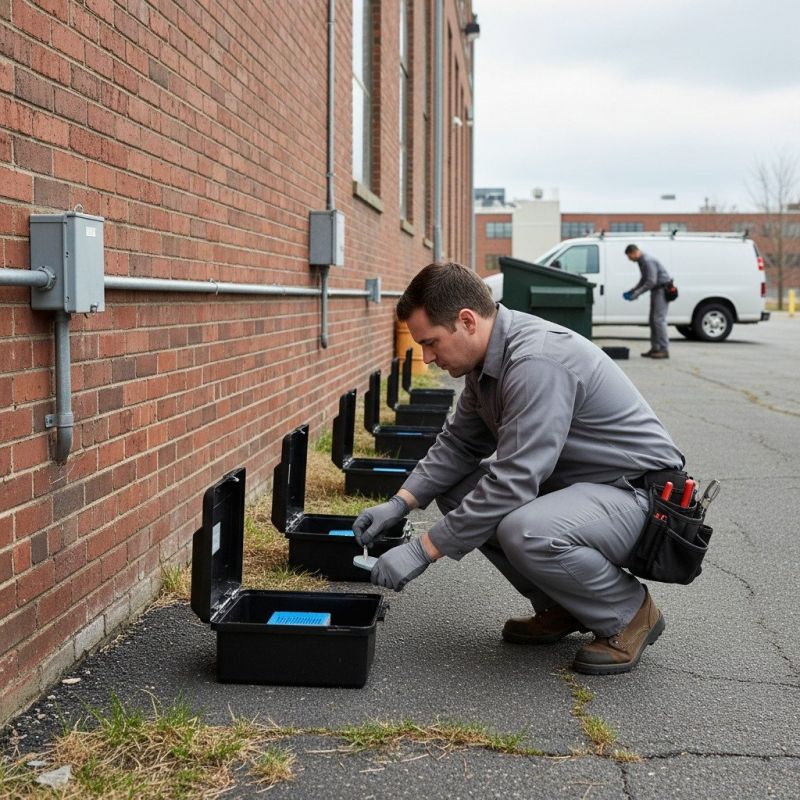
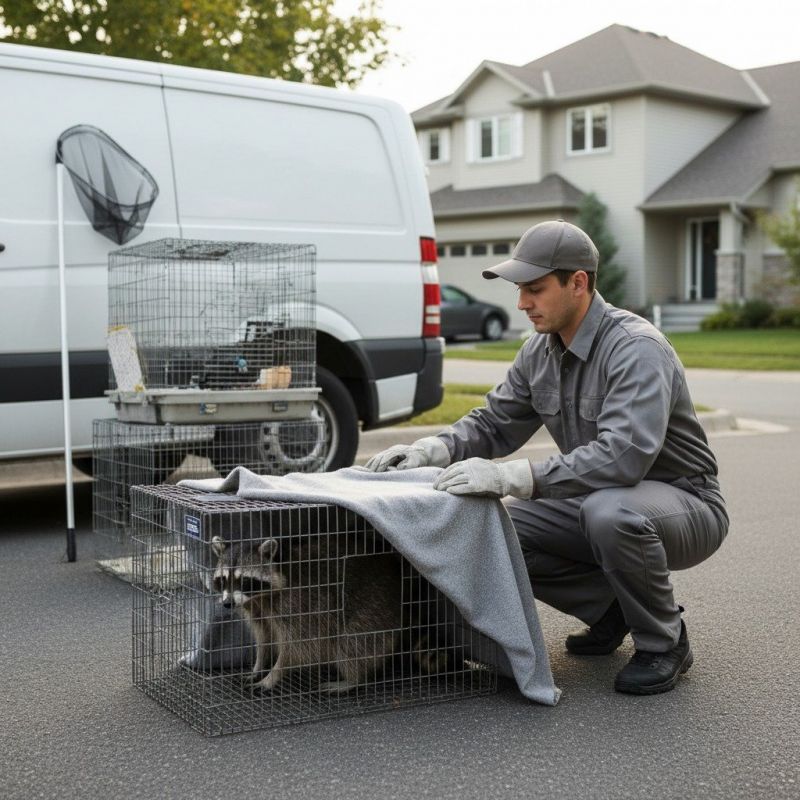
When people search for why commercial small animal control requires professional expertise, they often want to understand the complexities involved in managing pests like rodents, raccoons, or other small wildlife on business properties. These searches typically stem from concerns about property damage, health risks, or the potential disruption caused by these animals. Homeowners or business owners may have experienced or want to prevent issues such as droppings, chewed wiring, or nests that can compromise building safety and sanitation. Recognizing that these problems are not just superficial nuisances but can lead to serious structural or health concerns highlights the importance of engaging experienced service providers who understand the unique challenges of commercial environments.
The problems related to small animal infestations on commercial properties often involve more than just removing the animals. Plans to prevent future issues can include sealing entry points, implementing ongoing monitoring, and ensuring that the property remains unattractive to wildlife. These efforts require a strategic approach that considers the building’s design, local wildlife behaviors, and the specific needs of the property type. For example, a retail store, warehouse, or office complex each presents different challenges and opportunities for effective control. Local contractors specializing in commercial small animal control are equipped to develop tailored solutions that not only eliminate current issues but also help prevent recurrence, which is vital for maintaining a safe and compliant business environment.
The types of properties most commonly involved in small animal control projects include commercial buildings like warehouses, retail centers, office parks, and industrial facilities. These properties often have structural features such as vents, roof openings, or gaps that can serve as entry points for wildlife. Additionally, properties with landscaping, storage areas, or nearby wooded zones tend to attract small animals seeking food, shelter, or nesting sites. Business owners and property managers who recognize the importance of professional assistance understand that handling these issues requires specialized knowledge and equipment. Local service providers are familiar with the specific challenges posed by different property types and can implement effective control measures suited to each site’s unique layout and use.
Understanding why commercial small animal control requires professional expertise helps property owners see the value in relying on experienced service providers. These professionals bring knowledge of local wildlife habits, effective trapping and exclusion techniques, and the ability to handle potentially hazardous situations safely. They also understand the importance of thorough inspections and customized plans that address the specific vulnerabilities of each property. By working with local contractors who specialize in small animal control, property owners can ensure that their buildings are protected from damage, health risks, and ongoing wildlife activity. This targeted approach not only resolves current issues but also provides peace of mind that the property is better prepared to prevent future infestations.
Wildlife exclusion projects - these projects involve sealing entry points and installing barriers, skills that are essential for effective commercial small animal control to prevent future infestations.
Pest habitat modification - removing nesting sites and food sources requires planning and techniques similar to those used in managing small animal populations in commercial settings.
Building repairs and sealing - repairing structural damage and sealing gaps are critical steps that local contractors handle to ensure small animals cannot re-enter buildings.
Trap installation and removal - setting up and managing traps for small animals in commercial properties demands expertise in safe placement and humane handling, paralleling broader control efforts.
Inspection and assessment services - thorough inspections to identify entry points and nesting areas are fundamental in both wildlife exclusion and small animal control projects.
Sanitation and cleanup services - removing droppings, nests, and debris requires specialized tools and knowledge, similar to the cleanup involved in small animal infestations.
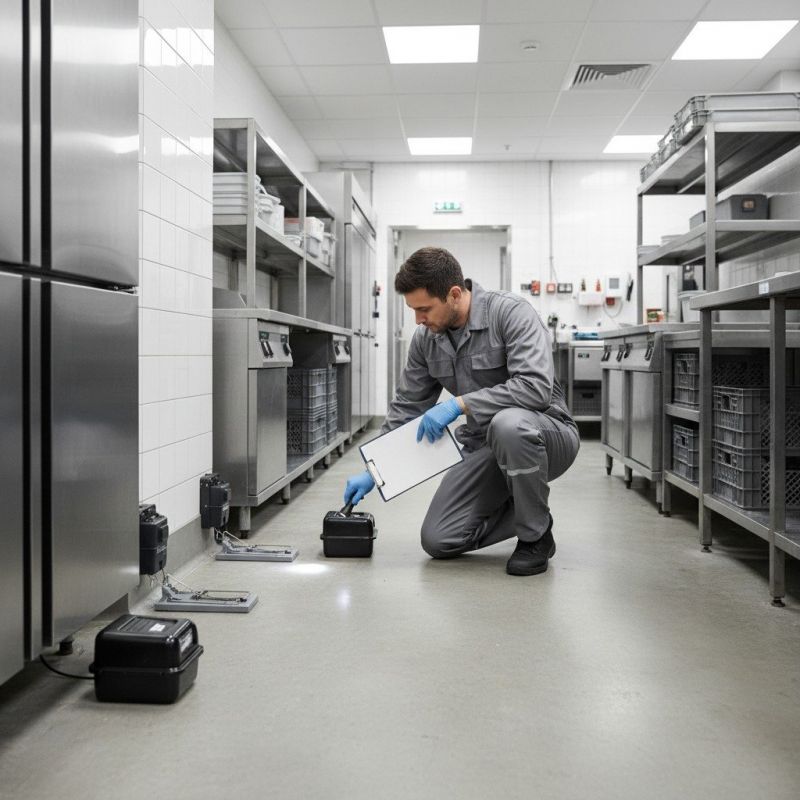
When evaluating service providers for commercial small animal control, it is important to consider their experience with similar projects. Local contractors who have handled commercial settings or large-scale animal control tasks are more likely to understand the specific challenges involved and deliver effective solutions. Inquiring about their past work can provide insight into their familiarity with the types of animals encountered in commercial environments and their ability to manage complex situations safely and efficiently.
Clear written expectations are essential when comparing different service providers. A reputable local contractor should be able to outline the scope of work, methods used, and any guarantees or follow-up procedures in a detailed, written format. This helps ensure that both parties have a shared understanding of the project and can serve as a reference throughout the process. Well-defined expectations also make it easier to assess the professionalism of the contractor and avoid misunderstandings or surprises later on.
Reputable references and good communication are key factors in selecting a reliable commercial small animal control provider. Service providers who can provide references from previous clients, especially those with similar needs, demonstrate their track record of successful projects. Additionally, clear and responsive communication during the initial consultation indicates a contractor’s willingness to listen, address questions, and keep clients informed. These qualities contribute to a smoother experience and increase confidence that the contractor can effectively handle the complexities of commercial small animal control.
Property owners often search for why commercial small animal control requires professional expertise when they are planning practical projects around their homes and businesses. Local pros provide Commercial Small Animal Control services for everyday jobs and straightforward project options.
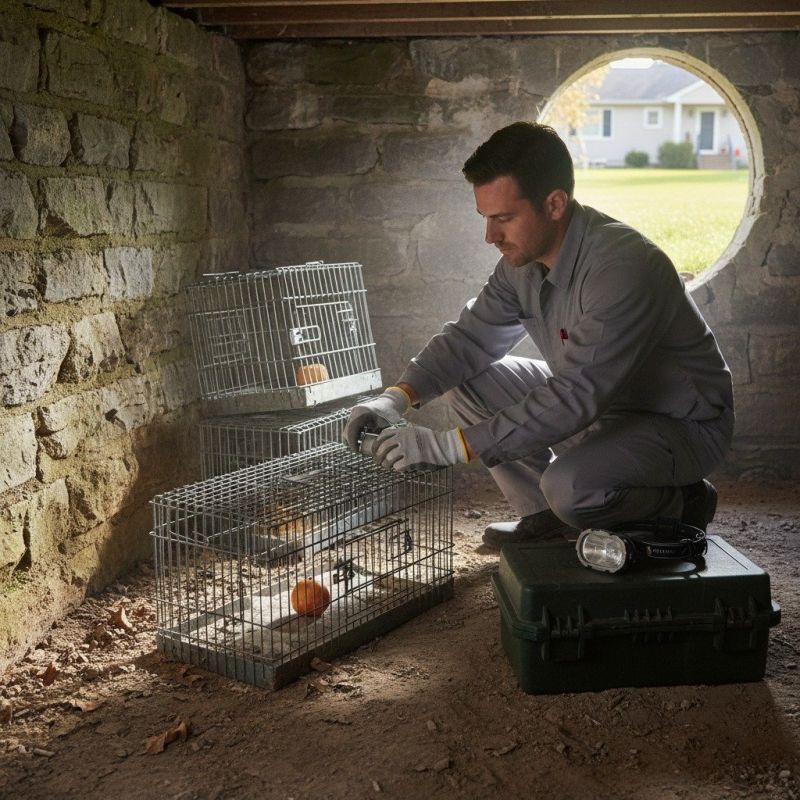
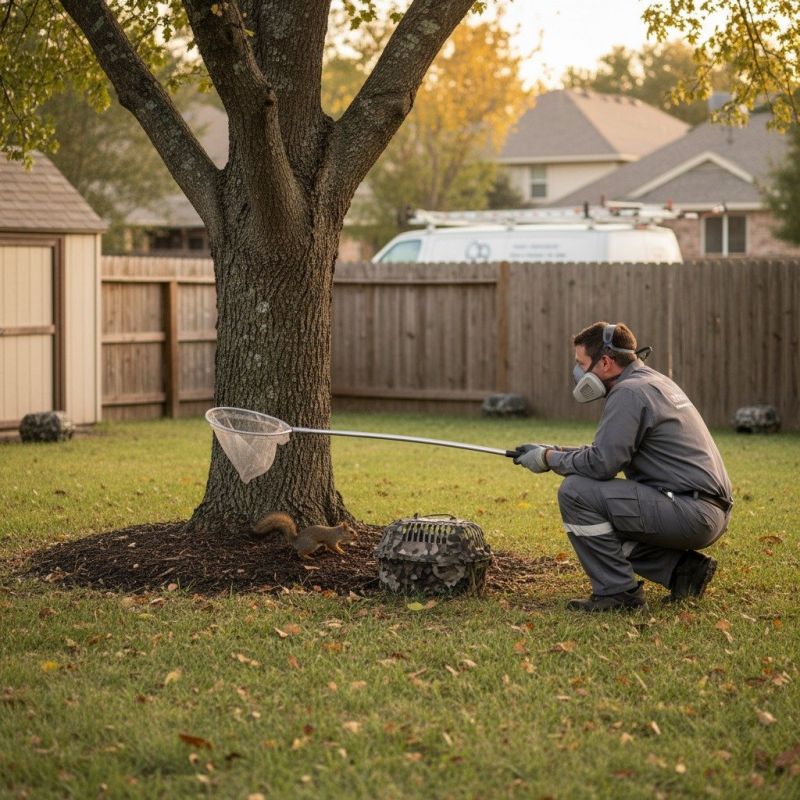
Commercial small animal control projects often involve navigating complex property layouts and understanding the behavior of various animals. Property owners in the area might seek out professional service providers to ensure the job is handled efficiently and effectively, especially when dealing with animals that have established access points or nesting sites. Local contractors bring experience in assessing the specific needs of each site, helping to identify entry points and prevent future issues, which can be difficult to do without specialized knowledge and tools.
Handling small animals on commercial properties can also present safety and logistical challenges that require expert attention. Property owners may look for experienced service providers to avoid potential property damage or health risks associated with improper removal methods. Skilled local pros are equipped to implement humane and effective control strategies, ensuring the job is done right the first time and minimizing disruptions to daily operations. This expertise can be crucial for maintaining a safe, clean, and animal-free environment on commercial sites.
Why does commercial small animal control require professional expertise? Professionals have the experience to identify the specific types of animals involved and determine the most effective removal methods, reducing the risk of incomplete or unsafe removal.
What risks are associated with DIY small animal control in commercial settings? Without proper training, there is a higher chance of injury, ineffective removal, or damage to property, making it essential to rely on experienced service providers.
How do local contractors ensure the safety of commercial environments during animal control? They use proven techniques and equipment designed for safety and effectiveness, minimizing hazards to workers and occupants alike.
Why is specialized knowledge important for handling different types of small animals? Different animals require different trapping and removal strategies; professionals understand these nuances to ensure humane and thorough control.
What benefits do experienced service providers offer in commercial small animal control? They bring expertise that helps prevent future infestations, ensures compliance with regulations, and maintains the integrity of the property during removal.
Understanding animal behavior - local contractors can identify how different small animals may enter or hide on a property, helping to develop effective exclusion strategies.
Proper equipment and techniques - professional services utilize specialized tools that ensure humane removal and secure sealing of entry points, which DIY methods may lack.
Legal and safety considerations - experts are aware of regulations and safety protocols, reducing risks associated with handling animals or working in potentially hazardous areas.
Long-term prevention planning - experienced contractors can design comprehensive solutions that minimize future animal intrusions, saving property owners time and effort.
If you are thinking about why commercial small animal control requires professional expertise for a property, this guide is meant to help you understand this topic, the typical project types, and how different options might fit your plans.
When you are ready, you can use the quote form on this page to share a few details about your project. From there, local pros can review the basics and follow up with options that match what you have in mind.